The policy was scrapped after a postman was made to cycle for two weeks in temperatures exceeding 35 degrees Celsius for a minor infraction
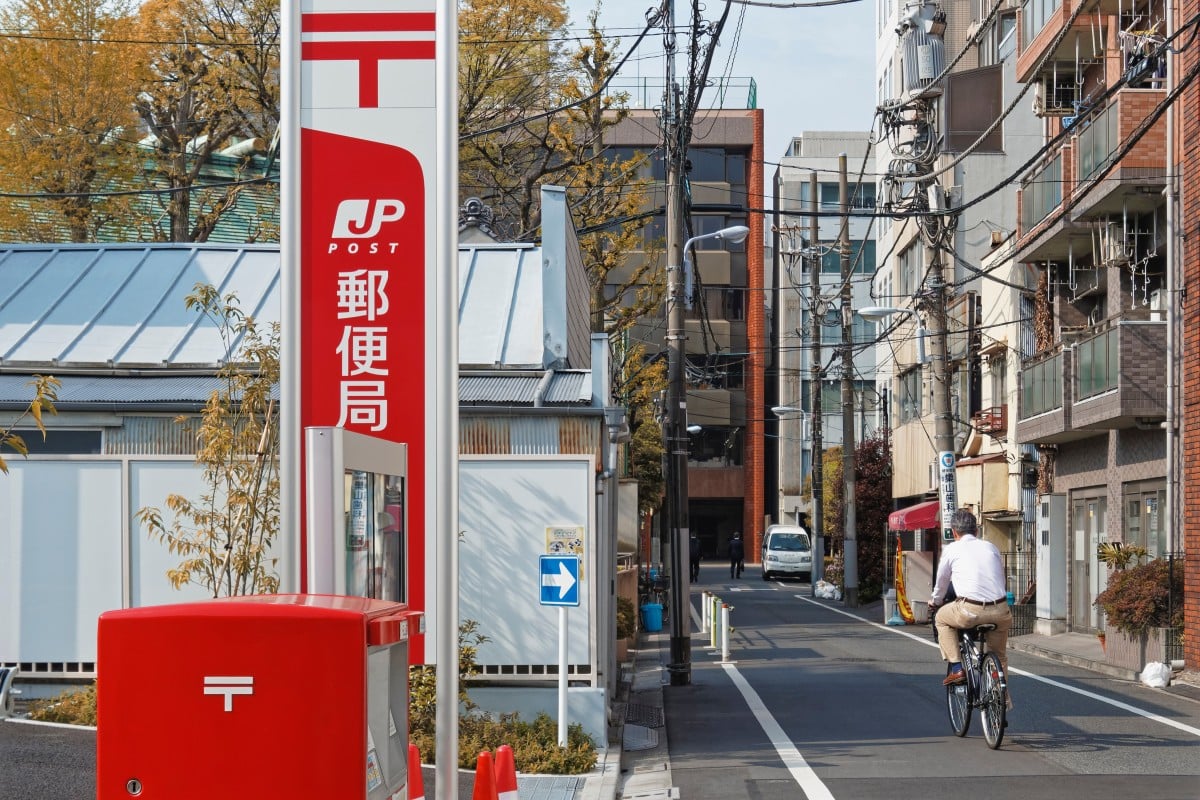
Japan Post has scrapped a controversial practice of forcing delivery workers involved in minor accidents to complete their rounds by bicycle – even in extreme heat – after admitting the measure “could be perceived” as workplace harassment.
The decision followed an internal investigation into an incident involving a delivery worker who was instructed to continue his rounds by bicycle for two weeks during a summer heatwave, despite daytime temperatures exceeding 35 degrees Celsius (95 degrees Fahrenheit), the company confirmed on Friday.
Labour advocates say the episode reflects both the mounting strain on Japan’s delivery sector and a broader shift in public awareness surrounding employee rights, particularly following recent workplace abuse scandals in other industries.
In an interview with national broadcaster NHK, the unnamed postman recounted how his work motorcycle had fallen over while parked in August, causing minor damage to Japan Post property. Following the incident, his supervisor ordered him to complete the same delivery route on a bicycle.
“It was physically and mentally painful,” the man said. “And my boss gave me no clear reason for the order.”
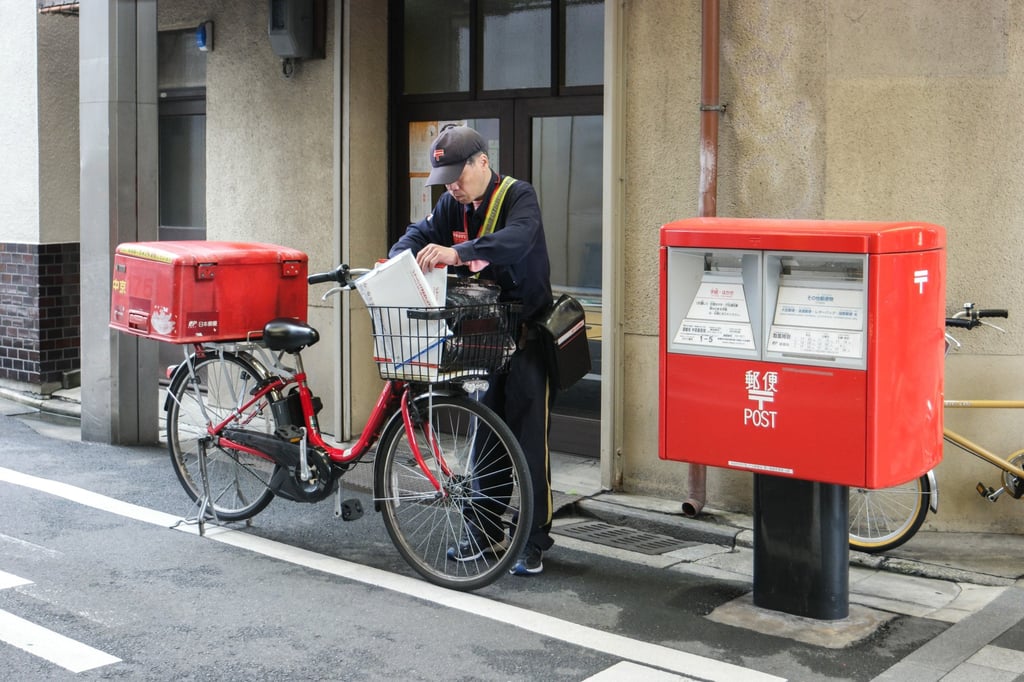
The worker said he managed to complete his deliveries over the next eight days only by working beyond his allotted hours and relying on his colleagues for help.
NHK reported that the policy was officially framed as a training measure to prevent similar incidents, rather than as a punishment. However, delivery staff at other post offices have reportedly faced similar treatment and the company has admitted it received complaints about the practice in the past.
But it was only after the most recent incident came to light that Japan Post decided to act, with an internal document quoted by NHK stating: “No operational reason can be found for this practice, which could be perceived as a punitive or harassing act.”
All companies have the responsibility to ensure they protect workers’ rights
Teppei Kasai, Human Rights Watch
Teppei Kasai, Asia programme officer for New York-based rights group Human Rights Watch, said the policy change was long overdue.
“Demand in the delivery sector has soared, particularly since the pandemic, as there has been so much more online shopping,” he told This Week in Asia.
“That means there is a lot of demand for fast and efficient delivery services. That has inevitably increased pressure on companies to meet that demand and that pressure trickles down as pressure on delivery staff.”
The strain is particularly acute for organisations like Japan Post, which faces declining mail volumes due to the shift to digital communication and fierce competition from other private sector delivery firms.
“But all companies have the responsibility to ensure they protect workers’ rights and that they are protected from a harmful working environment,” Kasai said. “And that would include protecting them from exposure to extreme heat and humidity in the summer months and from extreme cold in the winter.”
Kasai said he “would like to believe” that public awareness of workplace harassment had grown since Japan introduced guidelines on human rights in the workplace in 2022.
“This incident has clearly attracted greater media coverage than the same case would have 10 years ago, when this sort of workplace harassment would almost certainly have been brushed off,” he said. “But now it is considered to be a human rights issue and people are beginning to speak out.”
Other such examples included the sex abuse scandal involving pop star and Fuji Television pundit Masahiro Nakai that broke last year, Kasai said.
“I think Japanese society is increasingly recognising these problems as human rights issues and are demanding that companies respond when a complaint is made,” he said.
Despite this, he said progress had been uneven.
“Companies are still operating in search of profits and they will not always disclose an incident,” he said, adding that it was encouraging that this worker felt able to come forward and that Japanese society was treating workplace harassment as a serious issue.
“But on the other hand, these problems will continue to be brushed off unless victims are strong enough to come forward.”
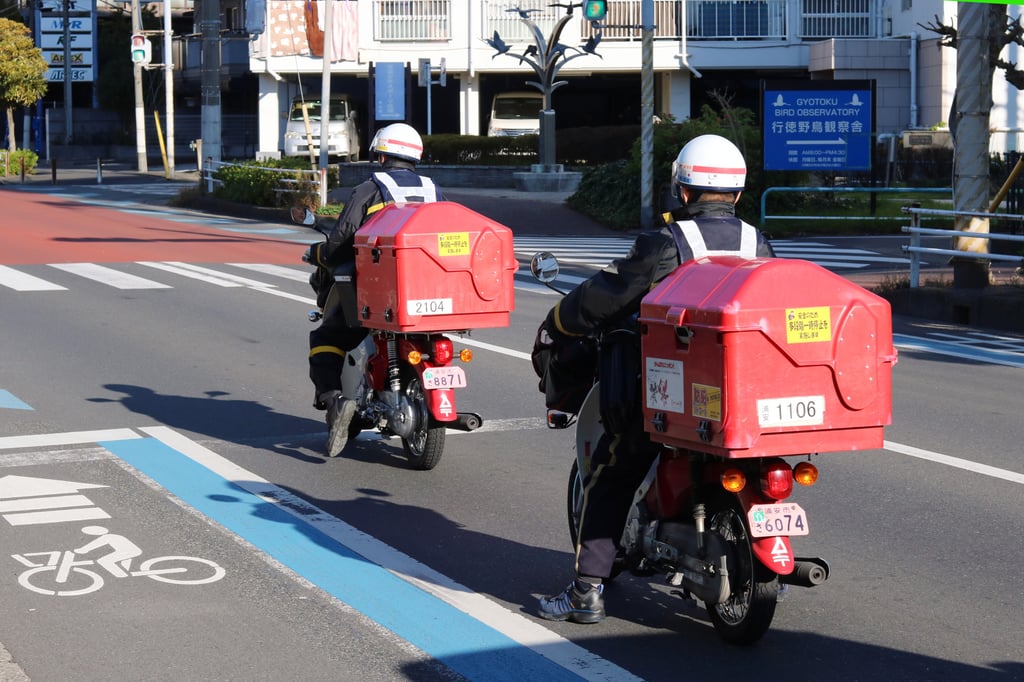
Other Japan Post employees have taken to social media to express their support for their colleague, with one poster on a Kyodo News article describing how a typical eight-hour shift often involves delivering up to 1,300 packages to 600 locations over a distance of about 30km (19 miles).
“Delivery zones are set on the assumption that deliveries will be made by motorcycle, making it impossible to achieve on a bicycle,” the commenter wrote. “This is clearly harassment, not guidance.”
Another delivery worker said he had endured three weeks of bicycle deliveries after a minor motorcycle accident, adding that chronic staff shortages had increased pressure on employees, making accidents more likely.
“I can only see this as dereliction of duty on the part of upper management,” he added.
A Japan Post official told This Week in Asia that training for employees involved in traffic accidents was conducted at the branch level.
“We recognise that situations can arise where the employee involved in the accident does not fully understand or receive adequate explanation regarding the purpose and objectives of the training,” the official said.
The company had now prohibited training whose content or duration “could be perceived as punishment or harassment”, the official said, adding that training measures would continue to address incidents as they arise.